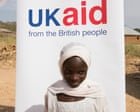
The UK government will reduce its bilateral aid to Africa by 56%, cutting nearly £900 million by 2028-29, according to The Guardian. This reduction brings annual aid to £677 million from £1.5 billion in 2024/25 and is part of a broader £6 billion cut in the overseas development budget to prioritize defense spending, Politico Europe and The National report.
As a result of this policy shift, UK aid will focus more narrowly on conflict-affected countries such as Lebanon, Ukraine, and Gaza, rather than broad development programs in stable African nations, The Straits Times explains. This reorientation moves UK assistance away from direct country aid towards funding international organizations and private finance initiatives, according to Politico Europe.
Climate Home News highlights that these changes also include a reduction in international climate finance by over 10%, with the UK now aiming to spend about £6 billion over three years—less than previous commitments. The government justifies these cuts by citing national security concerns tied to rising defense budgets, but the decision has drawn criticism from climate advocates and opposition groups.
The Guardian and other outlets note that this policy will impact funding for essential services like schools and clinics across some of the world's poorest African countries, raising concerns among MPs and humanitarian groups. The overall aid budget shift marks the UK's departure from its prior role as a major global development donor to one with narrower security priorities, The National states.
Going forward, attention will focus on how these changes affect humanitarian outcomes in affected countries and whether the UK will maintain commitments to climate and development goals amid growing defense expenditures. Monitoring the balance between security priorities and aid effectiveness remains crucial in judging the long-term impacts of this strategic pivot.
 Sarah Champion
 Jon Cooper
 United Kingdom
 Africa
 Keir Starmer


