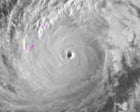
Super Typhoon Sinlaku escalated to a Category 5 storm in April 2026, striking the Northern Mariana Islands with sustained winds reaching 280 km/h (175 mph), marking it as the strongest cyclone of the year so far, according to NASA News. This powerful cyclone is the second Category 5 storm in 2026, following Tropical Cyclone Horacio, and was captured by NASA’s Suomi NPP satellite, which highlighted its rapid intensification near the Mariana Islands.
The storm impacted the US territories of Saipan and Tinian directly, with Northern Mariana Islands Governor Arnold Palacios declaring Typhoon Condition I and overseeing emergency shelter preparations, which have sheltered at least 265 residents as reported by RNZ News. The territories are bracing for heavy rains and flooding alongside destructive wind gusts, threatening significant damage to infrastructure and homes as noted by Channel News Asia and Stuff.co.nz.
According to Raw Story, around 50,000 residents in the Northern Mariana Islands are affected by Sinlaku’s unprecedented strength, complicating rescue and relief efforts. Experts linking the cyclone’s early and extreme intensity to climate change also note an active hurricane season driven by El Niño conditions, intensifying cyclone risks across the Pacific region.
The storm’s severe impact raises concerns about the evolving challenges faced by remote island communities, with relief and recovery efforts expected to stretch regional resources in the coming days. As the storm moves beyond the Northern Marianas, meteorologists will monitor Sinlaku for potential further shifts in track or intensity that could threaten Guam or other Pacific territories, highlighting ongoing risks driven by changing oceanic and atmospheric patterns.
 Super Typhoon Sinlaku
 Northern Mariana Islands
 Tinian
 Saipan
 Guam
Guam


