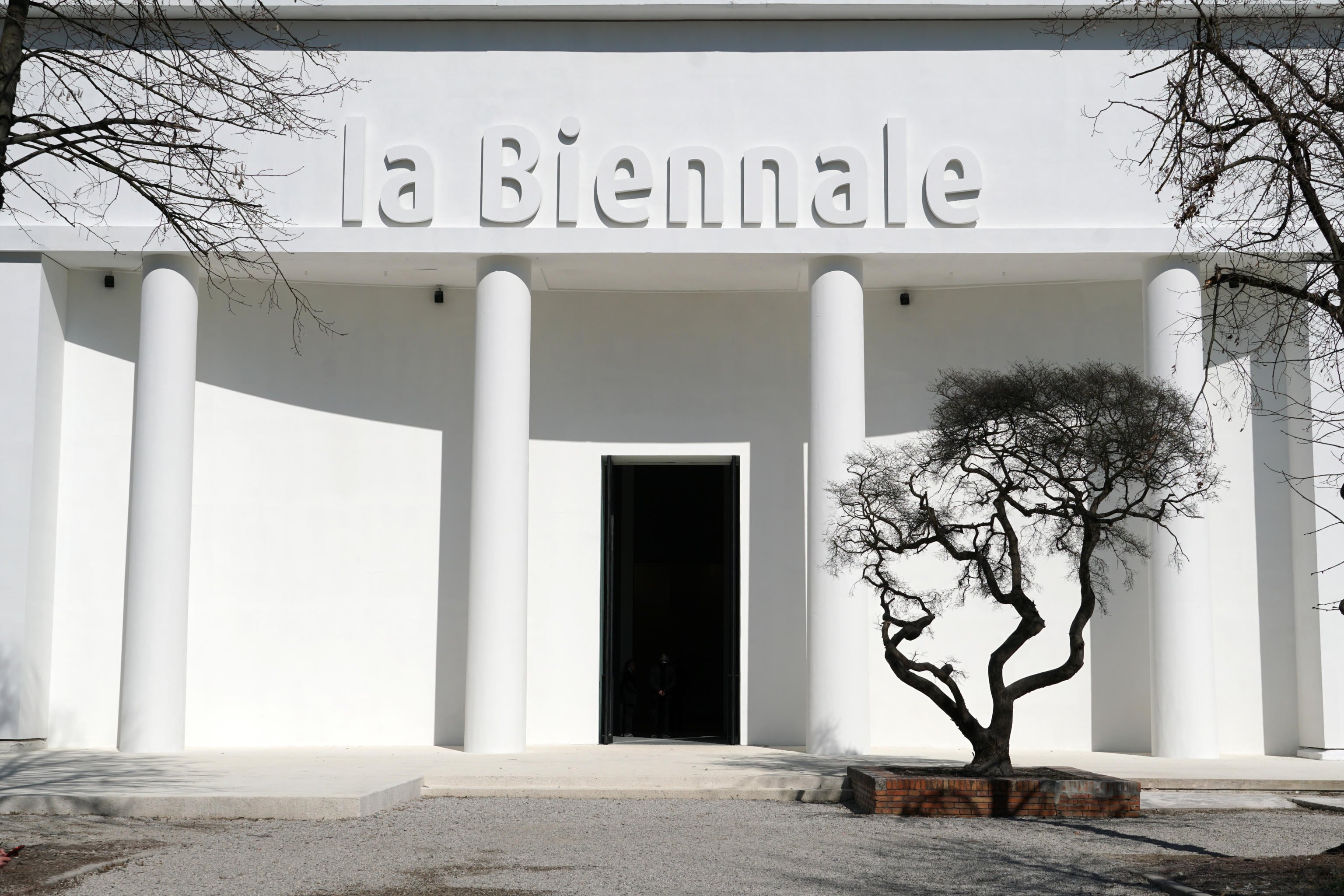
The Venice Biennale jury has confirmed it will exclude artists from Russia and Israel from competing for the festival's top awards due to charges against their leaders by the International Criminal Court (ICC), according to Politico Europe. Russian President Vladimir Putin faces accusations related to the alleged deportation of Ukrainian children, while Israeli Prime Minister Benjamin Netanyahu is charged over actions during the Gaza conflict. This decision reflects the jury’s effort to integrate considerations of international legal proceedings into their selection process.
The announcement, made ahead of the opening on May 9, emphasizes the jury's commitment to human rights values in awarding prizes, as reported by Al-Monitor. The five-member jury stated that it would not award artists representing countries whose leaders are accused of crimes against humanity, thus aligning with the vision of the late curator Koyo Kouoh, The Guardian Culture notes. The stance specifically targets Russia and Israel under these criteria, affecting artists’ eligibility.
The National (UAE) details that the decision is part of broader controversy involving political tensions at the Biennale, which has faced debates about its role in international relations and prior calls to exclude certain national pavilions. This move may complicate participation and set precedent for other cultural events considering political contexts in their selections. Some EU officials have reportedly threatened to cut funding over perceived politicization, highlighting the festival's complex position.
The Straits Times and Al-Monitor confirm the jury’s resolve despite such pressures, signaling a determination to prioritize accountability in the arts. The jury's choice reflects increasing scrutiny of how global art events address political and human rights issues, with potential impacts on future editions. It also raises questions about how cultural diplomacy will navigate ICC-related charges involving national leaders going forward.
Looking ahead, international observers will be watching how this exclusion influences artist representation and participation in the 2026 Venice Biennale as well as other major art festivals. The decision underscores the evolving role of art institutions in political discourse and may prompt further debates about criteria for inclusion amid ongoing global conflicts and legal actions against state figures.
 Koyo Kouoh
 Pietrangelo Buttafuoco
 Venice Biennale
 Russia
 Israel
 International Criminal Court
 Vladimir Putin
 Benjamin Netanyahu