Satellite Data Shows 16% Global Increase in Nighttime Brightness from 2014 to 2022
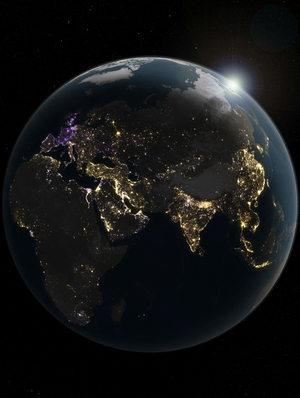
The 16% rise in global nighttime lights reflects ongoing urbanization and development, especially in regions like Africa and Southeast Asia, while Europe's efforts to dim lights suggest regional differences in addressing light pollution. This trend indicates shifting patterns of artificial lighting, which could impact energy consumption and ecological systems. Future satellite monitoring will reveal whether these trends continue or if policy interventions effectively curb artificial light usage.
En esta historia
 Satellite
 Researchers
 Sub-Saharan Africa
 Southeast Asia
 Earth
Earth Europe
Cronología · 58d ago
58d ago
1 article · The Straits Times
58d ago
1 article · Korea Herald
0 Comments
Sign in to join the discussion
No comments yet
Be the first to share your thoughts
More science Stories

NASA Orders ISS Astronauts to Evacuate After Worsening Air Leak
science · 12h ago

Space Station Astronauts Shelter in SpaceX Dragon Amid Air Leak Repairs
science · 12h ago

IAEA Report Finds Minimal Changes in Iran's Nuclear Program Amid War
science · 1d ago

Spain Reports Highest May Heat-Related Deaths Amid Unprecedented Temperatures
science · 1d ago

Kash Patel Faces Multiple Investigations and Lawsuits Over Alleged Abuse of Power and Personal Conduct
politics · 20d ago

'60 Minutes' Remaining Stars Lesley Stahl, Bill Whitaker, and Jon Wertheim Commit to Stay Amid Show's Crisis
entertainment · 6h ago