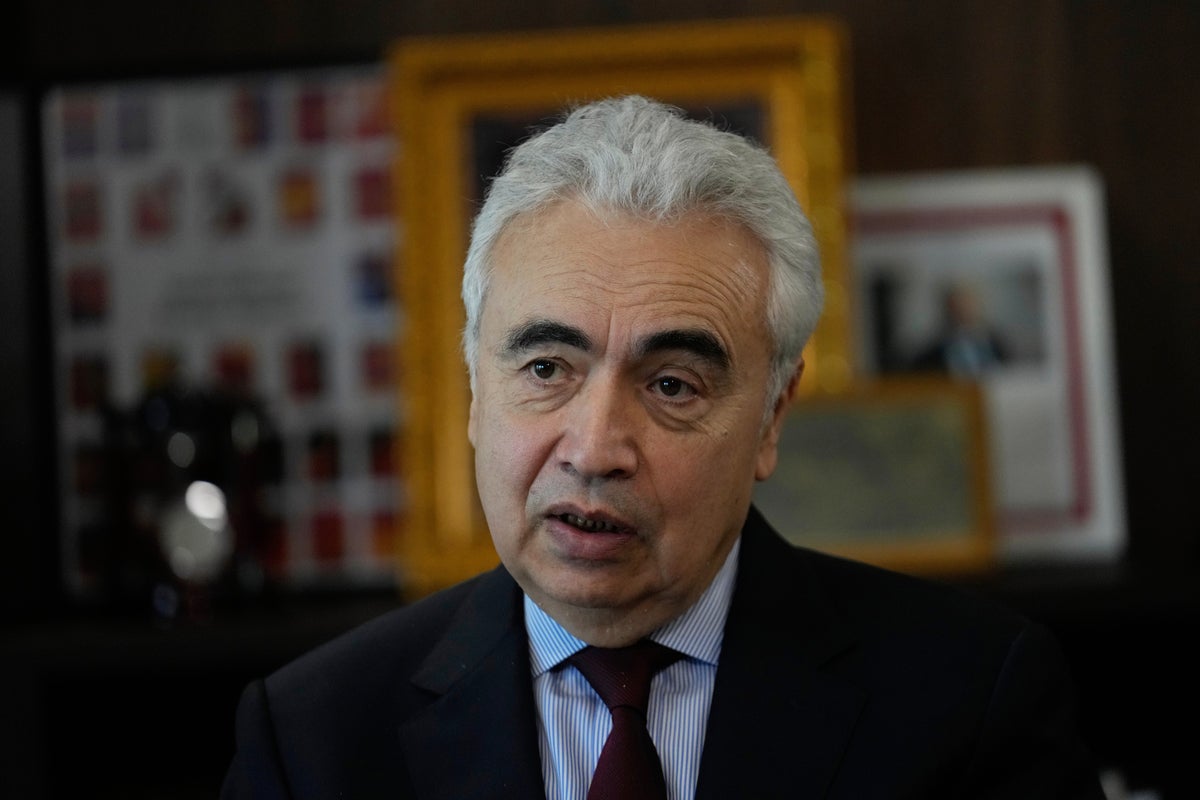
The International Energy Agency (IEA) has warned that Europe may have only about six weeks of jet fuel reserves remaining, raising concerns about imminent flight cancellations and broader economic impacts, according to multiple sources including NDTV and The Independent. Fatih Birol, the IEA's executive director, identified ongoing disruptions in oil and gas supplies through the Strait of Hormuz as the primary cause of the shortage.
Europe relies heavily on jet fuel imports from the Middle East, which account for roughly 75% of its supply, as reported by MyJoyOnline. The closure of the Strait of Hormuz by Iran has exacerbated supply constraints, limiting Europe's ability to replenish its reserves and increasing vulnerability to supply shocks.
The potential shortage could lead to significant disruptions in air travel across Europe, with the BBC highlighting the possibility of widespread flight cancellations if the situation does not improve. Airlines and governments are being urged to address these supply issues promptly to avoid severe operational and economic consequences.
In response to the ongoing crisis, the IEA has stressed the need for strategic energy management and urgent measures to diversify supply sources, according to reports by The Independent. Stakeholders are closely monitoring developments as the six-week timeline places immediate pressure on energy policymakers and aviation authorities.
What happens next depends largely on diplomatic efforts to reopen supply routes and the speed at which alternative jet fuel sources can be secured. The situation remains fluid, with the potential for escalating disruptions in European air transport if the supply bottleneck persists.
 Fatih Birol
 International Energy Agency
 Iran
Iran Strait of Hormuz


